The Vital Function of Auto Repair Services in Ensuring Vehicle Safety
Car repair services are critical for preserving vehicle safety. Routine servicing and prompt repairs can avoid minor issues from becoming serious hazards. Several vehicle owners disregard the value of these services, ignorant of the potential risks involved. Comprehending how scheduled examinations and fixes contribute to overall safety is crucial. This knowledge can create better vehicle trustworthiness and operation. What are the specific actions drivers can take to guarantee their vehicles remain safe on the road?
Significance of Regular Vehicle Maintenance
Routine vehicle maintenance is crucial for guaranteeing superior functionality and extended lifespan. It encompasses scheduled evaluations and maintenance tasks, such as oil changes, tire rotations, and brake inspections, which promote the vehicle's total well-being. By following a maintenance schedule, vehicle owners can keep minor issues from becoming major issues, thereby eliminating costly repairs in the future. Regular maintenance not only enhances fuel efficiency but also enhances safety on the road by guaranteeing that critical systems perform appropriately.
Additionally, preserving detailed maintenance records can enhance resale value, as prospective buyers commonly seek well-maintained vehicles. Skipping maintenance can cause reduced reliability and unexpected breakdowns, which can be both problematic and dangerous. In conclusion, regular vehicle maintenance is a proactive approach that assists drivers sustain their vehicles in top condition, delivering a safer and more efficient driving experience over time.
Basic Automobile Repairs That Helps Prevent Accidents
Various common auto repairs play a critical role in reducing accidents on the road. Regular maintenance of brake systems is essential, as damaged brake pads or fluid leaks can cause brake failure. Tire health is another key factor; ensuring proper tread depth and inflation can considerably reduce the risk of blowouts or loss of traction. Moreover, malfunctioning lights, such as headlights and brake lights, can impair visibility and communication with other drivers, heightening the likelihood of collisions. Steering and suspension components must also be assessed, as defects in these areas can compromise vehicle control. Finally, addressing any engine problems, including overheating or emissions failures, can prevent sudden breakdowns that may happen while driving. By emphasizing these common repairs, vehicle owners can considerably enhance their safety on the road and contribute to a safer driving environment for everyone.
Boosting Automobile Safety Using Auto Repair Services
Improving vehicle safety is essential for every driver, and auto repair services play a vital role in this aspect. Routine maintenance can significantly reduce the risk of malfunctions, while timely repairs address concerns before they escalate into serious problems. Together, these practices make certain that vehicles operate safely and efficiently on the road.
The Benefits of Preventive Maintenance
Regular preventive maintenance is crucial for guaranteeing vehicle safety and longevity. Routine inspections and service appointments assist in detecting potential issues before they escalate into major problems. Standard procedures, including oil changes, tire rotations, and brake checks, contribute to optimal vehicle performance and reliability. By maintaining a preventive maintenance schedule, drivers can boost vehicle safety, ensuring systems function correctly under various road conditions. Moreover, this proactive approach may lead to improved fuel efficiency, reducing overall operating costs. Eventually, preventive maintenance not only safeguards the driver and passengers but also extends the vehicle's lifespan, making it a critical aspect of responsible vehicle ownership. Regular attention to maintenance can prevent unexpected breakdowns and boost confidence while on the road.
Why Timely Repairs Matter
Quick repairs are crucial for upholding vehicle safety and performance. When problems such as brake defects, tire wear, or fluid leaks are resolved promptly, the risk of accidents diminishes substantially. Ignoring minor repairs can lead to more severe complications, resulting in costly fixes and potential safety hazards. Moreover, regular inspections and prompt interventions help ensure that all vehicle systems function at their best. This not only enhances safety but also prolongs the vehicle's lifespan and enhances fuel efficiency. Drivers who focus on quick repairs experience a smoother driving experience and reduced likelihood of breakdowns. Ultimately, making repairs quickly is a key element of responsible vehicle ownership, explicitly contributing to the safety of both the driver and other road users.
How Diagnostic Services Contribute to Vehicle Safety
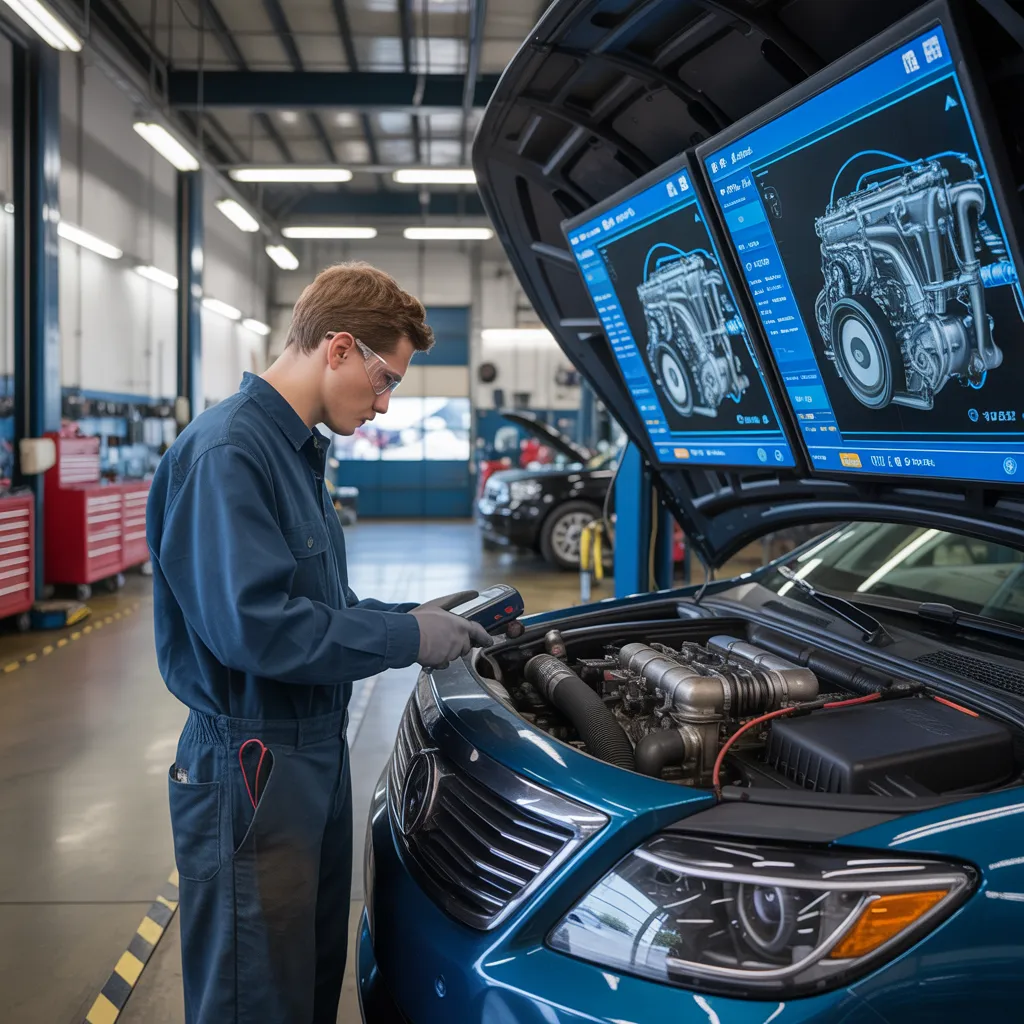
Vehicle safety is ensured through diagnostic services that play a vital role in facilitating early detection of potential issues. Advanced diagnostic tools enable technicians to detect underlying problems that might not be readily visible. Not only does this proactive approach enhance vehicle reliability, but it also substantially reduces the risk of accidents.
Significance of Timely Detection
Timely detection of vehicle issues can greatly enhance safety on the road. Detecting defects early permits timely intervention, keeping minor concerns from developing into major failures. Regular diagnostic services perform a critical function in this process, as they can detect hidden concerns that drivers may not detect. By employing routine checks, vehicle owners can address potential hazards such as brake malfunctions or engine problems before they jeopardize safety. Moreover, early detection decreases repair costs and lengthens the vehicle's lifespan, ultimately creating a safer driving experience. Allocating resources to diagnostic services ensures that vehicles remain reliable and roadworthy, underscoring the importance of proactive maintenance in securing both drivers and passengers.
State-of-the-Art Examination Technology
State-of-the-art diagnostic instruments have transformed vehicle care, boosting the potential to detect issues that could remain hidden from view. These cutting-edge devices leverage advanced technology to examine engine performance, electrical systems, and other critical components. By linking with a vehicle's onboard computer, technicians can retrieve error codes and performance data, allowing for precise evaluations of potential problems. This precision not only supports timely repairs but also serves a vital function in ensuring overall safety. Regular diagnostic checks can detect minor issues before they evolve into major failures, thereby decreasing the risk of accidents. As vehicles evolve into more intricate systems, the importance of modern diagnostic technology in maintaining safety and reliability is undeniable. Their role is vital in the proactive management of vehicle health.
Choosing the Right Auto Repair Shop
How does someone ensure they choose the best auto repair shop? It starts with comprehensive research. Prospective clients should look for referrals from friends, family, and online reviews to find trustworthy shops. Additionally, verifying certifications and affiliations with automotive organizations can provide assurance of a shop's professionalism.
Next, a personal visit to the shop is necessary. Evaluating the tidiness and arrangement of the establishment can reveal the standard of work. Interacting with the staff permits customers to gauge their expertise and readiness to respond to inquiries.
Additionally, obtaining estimates from numerous shops can assist in comprehending fair pricing. A transparent shop will deliver detailed explanations of services and costs. Lastly, searching for warranties on repairs can indicate confidence in the workmanship. By implementing these steps, car owners can make well-informed decisions, ensuring their vehicle receives the care it needs for maximum safety and performance.
Critical Signs Your Vehicle Requires Urgent Service
What are the obvious signals that a car demands urgent care? Multiple warning signs can notify a driver of possible problems. First off, uncommon sounds including grinding or clunking may point to mechanical complications. Furthermore, warning signals on the control panel, specifically for braking or engine systems, ought never be disregarded. In addition, a significant drop in performance, such as challenges with speeding up or maneuvering, may reveal underlying concerns needing prompt service.
Whether oil, coolant, or transmission fluid, any leaks can point to serious concerns that require prompt evaluation. Additionally, if the vehicle exhibits unusual vibrations or the brakes feel spongy, immediate attention is critical to guarantee safety. Last but not least, if the vehicle produces unusual smells or smoke, it is vital to consult a professional as soon as possible. Ignoring these signs can lead to more extensive damage and safety hazards on the road.
Long-Term Benefits of Allocating Funds for Auto Repairs
Putting money into auto repairs produces significant long-term advantages that improve vehicle lifespan and performance. Routine maintenance and prompt repairs can prevent minor issues from escalating into major problems, ultimately saving owners from high-priced replacements. A well-maintained vehicle runs more efficiently, contributing to improved fuel economy and reduced emissions, which serves both the wallet and the environment.
Furthermore, ongoing focus on repairs improves safety on the road, reducing the risk of accidents caused by mechanical failures. This focus on upkeep also maintains the vehicle's resale value, as prospective buyers are often seeking cars with documented maintenance histories. Moreover, investing in quality repairs encourages a sense of reliability and peace of mind for the owner. All in all, focusing on auto repair services not only boosts the vehicle's performance but also delivers a safer, more economical driving experience in the long run.
FAQ
How Regularly Should My Vehicle Be Inspected?
Specialists advise getting a vehicle inspected no less than once annually, though specific intervals may vary based on regional requirements and vehicle age. Regular inspections help maintain peak performance and improve safety for motorists and travelers.
What Are the Steps to Take After an Accident?
After an accident, the party involved should prioritize safety, assess for injuries, call emergency services if needed, exchange contact information with all involved parties, document the scene, and notify their insurance company immediately for further guidance.
Is Doing Your Own Vehicle Repairs Safe?
Do-it-yourself repairs may be safe learn now when the person has sufficient knowledge and expertise. Nevertheless, incorrect repairs could result in additional problems, jeopardizing vehicle safety and functionality; consequently, professional support is commonly suggested for important matters.
How Can I Verify a Mechanic's Trustworthiness?
A reputable mechanic frequently displays effective communication, strong client reviews, and upfront pricing information. Recognized qualifications, warranties on repairs, and dedication to explaining work also demonstrate trustworthiness, confirming that clients feel comfortable in their options.
What Warranty Options Are Available for Auto Repairs?
Multiple warranties for auto repairs are available, including limited warranties that protect specific parts and labor for a specified duration, as well as lifetime warranties which may extend to certain components. Customers should always ask about warranty details.